

 (03) 5941 1214

Full Arch Implants Pakenham
Losing Your Teeth Doesn't Mean Losing Your Options
Are your teeth breaking down, painful or loose? You may have more choices than you realise. Full mouth dental implants may provide a fixed alternative to removable dentures. Let’s find out what’s possible.
Dentures Are not Always
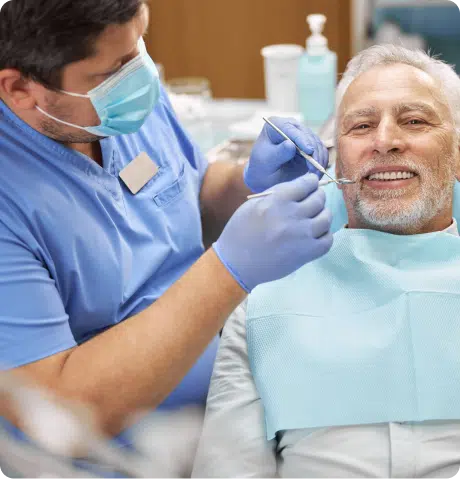
If you’re missing or facing the loss of most or all your teeth, that doesn’t mean dentures are your only future. And being told you don’t have enough bone doesn’t necessarily mean full arch implants aren’t possible either.
Dr Nick still remembers a patient who came to him as she was facing having her remaining teeth removed. In her mind, the next chapter of her life would revolve around wearing full dentures. She felt hopeless. That there wasn’t another way forward.
After looking at her case more closely, Nick was able to show her there were other possibilities to consider. It’s one of the reasons he believes so strongly in looking properly before deciding what’s possible.
Sometimes it is about helping someone see options they did not know existed.
So, What Are Full Arch Dental Implants?
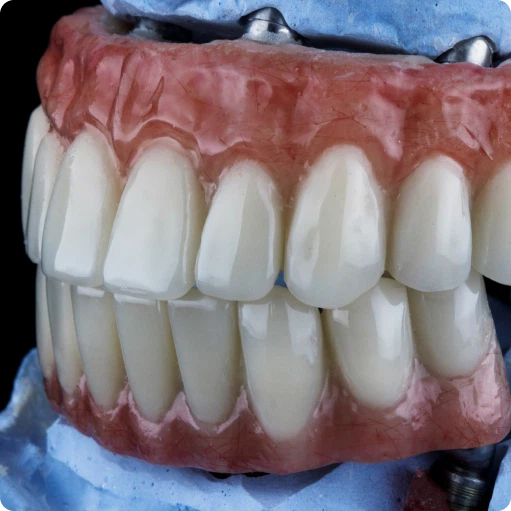
Full mouth dental implants, also called All-on-X implants, can replace a full arch of upper or lower teeth. Typically, four to six titanium implants are strategically placed into the jaw to act as ‘tooth roots’ and provide a stable foundation for a fixed set of replacement teeth.
Small connectors called abutments attach the implants to a natural-looking ceramic bridge. Unlike removable dentures, the bridge is secured in place, so it doesn’t need to be taken out each day and won’t move in the same way a removable denture can when you eat or speak. Dental implants also stimulate the surrounding jawbone, which can help reduce the bone loss that occurs after teeth are lost.
All surgical procedures carry risks. Your dentist will discuss the risks, benefits, alternatives and whether treatment is appropriate for you before you decide to proceed.
Am I a Candidate for Full Mouth Implants?
You may be suitable for full set dental implants if:
- You’re missing all or most of your teeth
- Your remaining teeth have a poor prognosis
- You don’t want removable dentures
- You’re finding it difficult to eat with your existing teeth or dentures
- You’re looking for a fixed tooth replacement option
- You’ve been told there isn't enough bone for conventional implants
Book Your Appointment Today
Meet Dr Nicholas Cheah

Dr Nicholas Cheah has been practising dentistry for almost 30 years and placing dental implants for more than 15. His ongoing training has taken him further into implant dentistry, including full arch reconstruction and pterygoid implant placement for complex cases involving significant bone loss.
- 30+ years in dentistry
- 15+ years placing dental implants
- Advanced surgical training in full arch reconstruction
- Advanced training in pterygoid implant placement
- gIDE Dental Institute Master Clinician Program in Implant Dentistry, 2018
- AHPRA Registration DEN0001025516
For Dr Nick, experience is not about doing things the same way for longer. It’s about having more knowledge and more techniques to draw on when a case isn’t straightforward, so he can look at what’s possible before deciding on the way forward.
I keep training because the standard of care I want to offer is not the one I was taught when I graduated. Dentistry keeps moving.
Been Told You Don't Have Enough Bone?
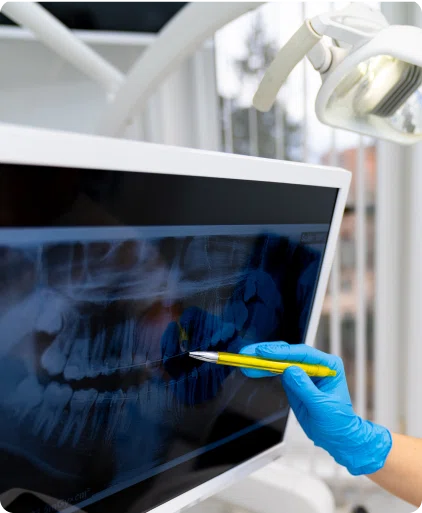
Significant bone loss in the back of the upper jaw can make conventional implant placement difficult. Patients may be told they need extensive bone grafting before full arch dental implants can be considered, or that fixed teeth simply aren’t an option.
That isn’t always the end of the story.
Significant bone loss in the back of the upper jaw can make conventional implant placement difficult. Patients may be told they need extensive bone grafting before full arch dental implants can be considered, or that fixed teeth simply aren’t an option.
We Look Beyond the Missing Teeth
Before we replace an entire arch, we need to understand the mouth it’s going into.

Airway
Breathing, sleep and relevant jaw considerations.

Aesthetics
Tooth position and proportions in relation to your face.

Function
Your bite, jaw joints and how your new teeth will work when you eat.

Structure
Available bone, remaining teeth and the foundations for treatment.

Biology
Gum health, healing and other factors that may influence treatment.
It’is all part of our comprehensive examination, so we can plan properly before treatment begins.
A Clear Plan for Your New Smile
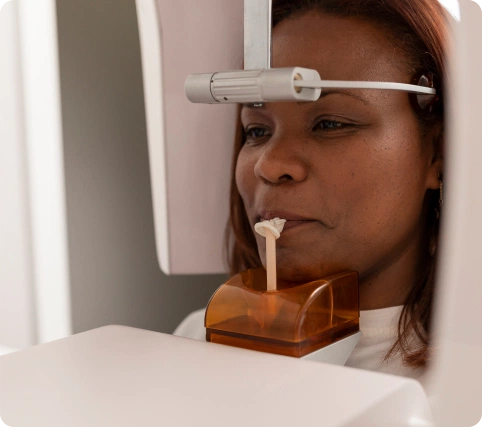
With 3D CBCT imaging, digital scans and guided implant planning, we can work through implant position and the planned replacement teeth before surgery begins.
That means we’re not working things out on the day. We already have a detailed plan for where the implants need to go and how they relate to the replacement teeth we’re planning.

The Implant System Matters Too
For full mouth dental implants in Pakenham, we use Osstem Implant Systems, a globally used implant system supported by clinical research. Its broad range of implant designs gives us different options to work with depending on your bone, anatomy and treatment plan.
Why we use Osstem:
- Established implant system with a substantial history of clinical research
- A broad range of implant designs and sizes
- Options for different bone conditions and clinical situations
- Used for treatments ranging from single implants to full arch restorations
- Globally recognised brand, supporting access to ongoing care if you move or travel overseas
Your Full Arch Comprehensive Consultation, For Only $210
We understand that full jaw implants are a big decision. Your first appointment isn’t about committing to treatment. It’s about finding out where you stand, what options may be available, what’s involved and what it would cost.
Your consultation includes:
- Comprehensive dental and oral health assessment by Dr Nick
- 3D CBCT imaging
- Digital scans and photographs
- Review of your existing teeth and available bone
- Full-arch and other treatment options
- Bridge and material options
- Indicative treatment timeline
- Written treatment plan
- Full cost breakdown with payment options

What Does the Full Arch Dental Implants Procedure Involve?
By the time we’re ready to place your implants, much of the important work has already happened. Your treatment is carefully assessed and planned beforehand, so everyone knows what needs to happen and in what order.
Using your examination findings and digital records, we plan the position and number of implants, any teeth that may need to be removed and the replacement teeth those implants will ultimately support.
We’ll also talk you through the proposed treatment, bridge and material options, likely timeline and costs before anything begins.
On the day of surgery, any remaining teeth that need to be removed can be taken out before your implants are placed according to the digital treatment plan. If general anaesthesia is required, treatment may be carried out at a nearby day surgery facility. We’ll discuss these arrangements with you beforehand.
Guided implant technology helps us translate that plan to your mouth, so the position of each implant has already been carefully considered before surgery begins.
A fixed temporary bridge may be attached to your implants either on the day of surgery or shortly afterwards within 3 days of the surgery, depending on your individual treatment and the stability of the implants.
This gives your mouth time to heal while we assess and adjust the fit, bite and function of your replacement teeth, all the while you’re not left without teeth as you heal and your final bridge is made.
Over the following months, the implants are given time to integrate with the surrounding bone. We’ll review your healing along the way and check your temporary teeth, bite and how everything is settling.
Your individual healing time will depend on the treatment you’ve had and whether any additional procedures were required.
Once your implants have integrated and your mouth has fully healed, your final fixed bridge is secured to your implants. We’ll check the fit, bite and function before we let you go.
We’ll also show you how to clean around your new teeth and implants, because looking after full arch implants properly is an important part of maintaining them over time.
Treatment doesn’t finish when your final bridge goes in. Your implants, gums, bite and bridge all need regular review and maintenance.
We’ll let you know how often we’d like to see you and what you need to do at home to help keep the tissues around your implants healthy.
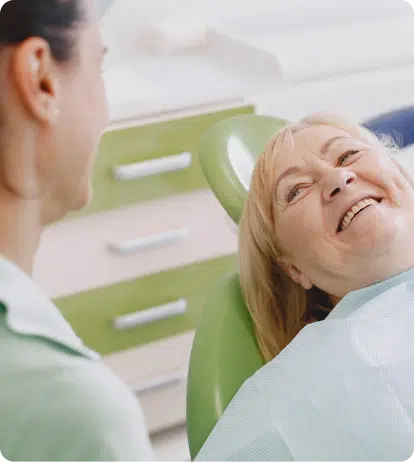
It’s Normal to Feel Anxious
Feeling nervous about the procedure is completely normal. We’ll explain clearly what will happen before, during and after your procedure, and give you plenty of opportunity to ask questions.
Depending on your treatment and individual needs, full arch implant surgery may be performed under local anaesthetic or general anaesthetic through a nearby accredited day hospital. We can discuss this with you as part of your treatment planning.
Know What You're Committing to Before You Begin
A clear treatment plan. Clear costs. Payment options. No surprises.
- HICAPS available for on-the-spot claims with all major private health funds.
- Preferred provider for CBHS at both locations & HCF at our Henry Road clinic.
- Flexible payment plans through Denticare and TLC and in-house
Book Your Appointment Today
Frequently Asked Questions
The cost to replace all teeth with full arch dental implants depends on your individual treatment plan. Factors can include the number and position of implants, whether additional procedures are required and the type of final bridge selected.
Following your consultation, we'll provide a written treatment plan and clear breakdown of costs before you decide whether to proceed.
In suitable cases, a fixed temporary bridge may be fitted on the day your implants are placed or shortly afterwards, so you have replacement teeth while your implants heal.
Whether this is appropriate, and the timing of your temporary teeth, will depend on your individual treatment. We'll explain exactly what to expect before your full arch dental implants procedure begins.
Full arch implant treatment happens in stages, so the overall timeline varies from person to person. It generally includes assessment and planning, implant placement, a healing period and fitting of the final bridge.
Your implants need time to integrate with the surrounding bone before treatment is complete, usually between 4-6 months. If you require additional procedures, this can also affect the timelin
Full arch implant surgery is performed with anaesthetic to manage pain during the procedure. Depending on your treatment and individual needs, this may be local anaesthetic or general anaesthetic through a nearby accredited day hospital.
Some pain, swelling and discomfort can occur after implant surgery. We'll explain what to expect, how to manage your recovery and when to contact us if you have any concerns.
You'll generally need to modify what you eat while your mouth heals, and your implants integrate with the bone. This may mean starting with softer foods by chewing away from the surgical sites and avoiding foods that place excessive pressure on your temporary teeth and implants.
We'll give you specific instructions post-operation about what and how to eat during each stage of your recovery.
While full arch dental implants can last up to 20 or 30 years, there isn't a set lifespan. How long your implants and bridge last can depend on factors including your oral health, general health, home care, regular professional maintenance and individual circumstances.
Your final bridge may also require maintenance, repair or replacement over time. Regular reviews allow us to monitor your implants, gums, bite and bridge and address any problems that arise.
Full arch treatment is individually planned around factors such as tooth position, proportions, bite and your facial features. Digital scans, photographs and treatment planning allow us to consider these details before the final bridge is made.
There are also different bridge and material options available. We'll discuss the options appropriate for your treatment during the planning process.
Traditional full dentures are removable and rest on the gums. Full arch dental implants use implants placed in the jaw to support a fixed bridge, which remains secured in the mouth rather than being removed each day.
If you're researching full mouth restoration implants, you're likely looking at this type of fixed, implant-supported option. Neither approach is right for everyone, so we'll consider your oral health, anatomy, needs and preferences before recommending a way forward.
Dental implant treatment has recognised risks, and in some cases an implant may not integrate with the bone as intended or problems can develop later.
What happens next depends on the cause and your individual circumstances. The implant may need to be removed, and the area allowed to heal before we assess whether another implant or a different approach should be considered. We'll discuss implant risks and alternative treatment options with you before you decide to proceed.
Thought Dentures Were Your Only Option? Find Out What’s Possible
Book a consultation and let’s take a closer look at your options.